HOW YOUR PHONE CAN BE HACKED
There are many ways that cybercriminals can use to hack your phone. Some don’t even require advanced technology.
By using this attack, cybercriminals can transfer your phone number to their own SIM card and take over your accounts.
This is software that allows cyber criminals to capture carrier PIN, email 2FA, OTP code and capture personal details from the victims.
How OTP BOT works:
Bad actor gives the victim’s information to the bot, the bot calls the victim and asks for account OTP that was requestby the bad actor, and the victim enters account OTP via phone then the bot distracts the victim with a message while his or her account getting compromised by the bad actor.
This software collects your data. Some spy apps are pretty easy to get hold of and can be used by a person without advanced IT knowledge. This lets them remotely monitor your phone activities. A person can install such an app by getting a direct access to your device.
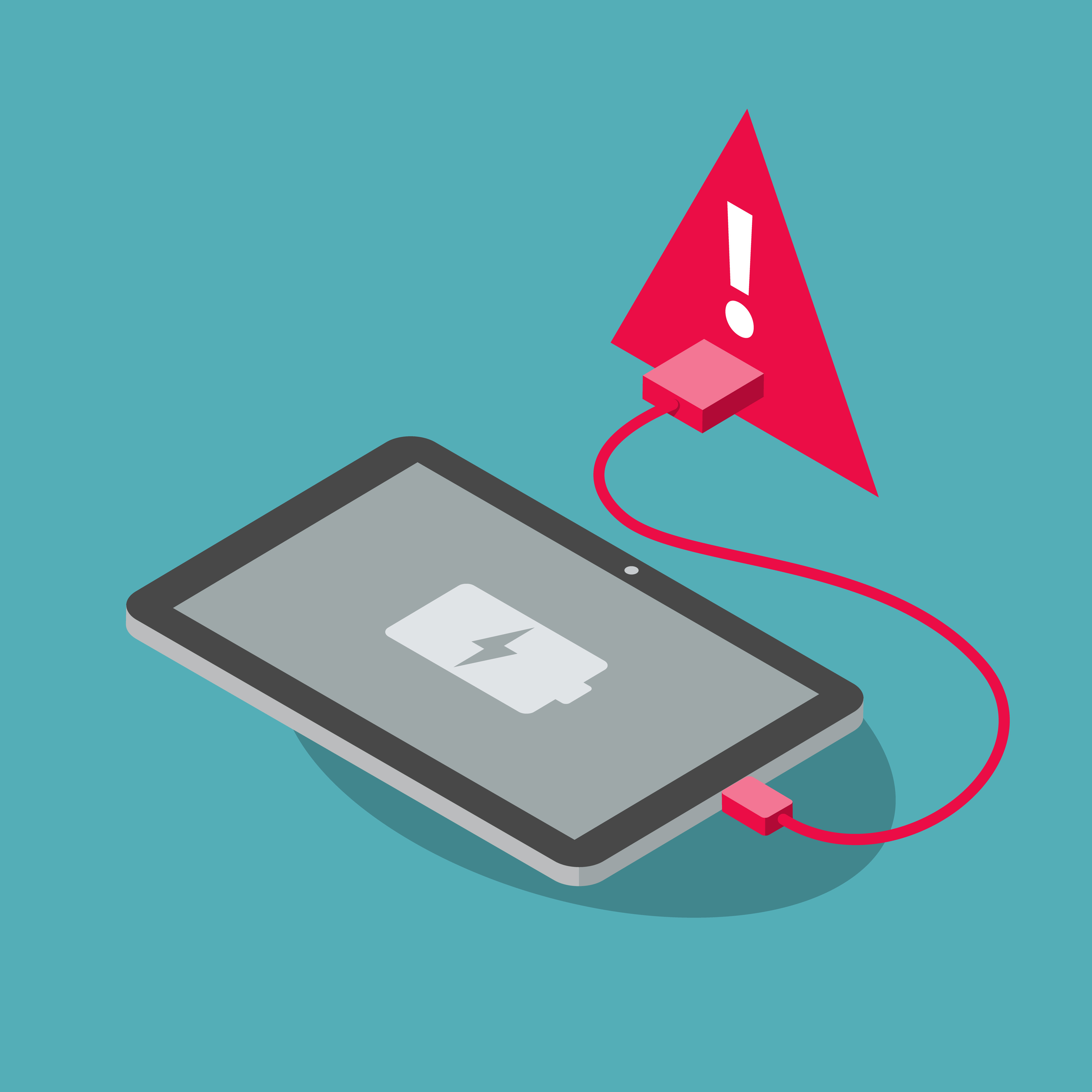
You might get a malware via public Wi-Fi networks or charging stations. Hackers can set fake Wi-Fi networks, called evil twin networks, to redirect you to malicious websites or steal data via USB cable at a charging station.
Phishing text, Facebook or email messages with amalicious link that installsmalware and snatches your data.
You might also download malware from suspicious sites while downloading apps or by clicking on malicious pop-ups or links.
Social Engineering
Social Engineering is the art of manipulating users into revealing confidential information that can be used to gain unauthorized access to a computer system.The term can also include activities such as exploiting human kindness, greed, and curiosity to gain access to restricted access buildings or getting the users to install backdoor software.
Being alert can help you protect yourself against most social engineering attacks taking place in the digital realm.